

When a long-time Linux user decides to switch to Windows 11 for a full 30 days, the experience reveals more about both operating systems than any spec sheet ever could. The verdict isn’t a clean win for either side — it’s nuanced, practical, and genuinely useful for anyone sitting on the fence between the two platforms.
Why Would a Linux User Switches to Windows 11?
The motivation to attempt a Linux to Windows 11 migration usually comes from real-world pressures: a job that requires specific Windows-only software, a gaming rig that demands DirectX 12, or simply curiosity about how far Microsoft has come. According to StatCounter’s desktop OS market share data, Windows holds roughly 72% of the global desktop market — meaning the tools, integrations, and workflows built around it are nearly unavoidable in professional environments. Linux, meanwhile, has quietly grown past 5% desktop share in some markets, a milestone that would have seemed impossible a decade ago.
So the question isn’t whether Linux is “better” in the abstract — it often is, for the right user. The real question is: when you switch to Windows 11 from Linux, what do you actually gain, and what do you genuinely miss?
First Impressions: The Windows 11 Setup Experience After Switching from Linux
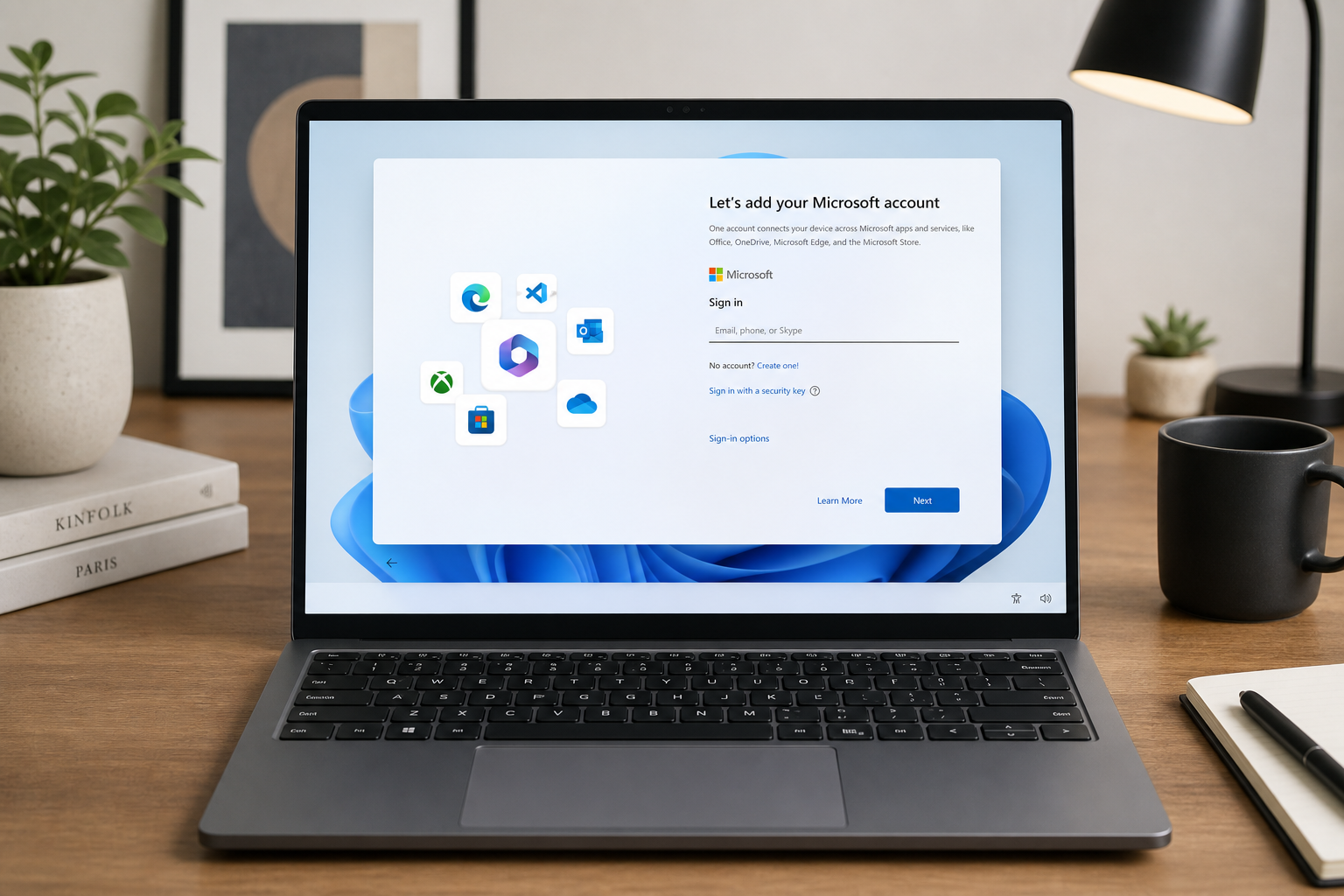
The installation process on Windows 11 is polished but opinionated. Unlike most Linux distros that let you get up and running in minutes without an internet connection or a Microsoft account, Windows 11 pushes you toward a cloud-connected setup from the first boot. You’ll be prompted for a Microsoft account, and bypassing it — while possible — requires a workaround that most users won’t know exists.
-
Microsoft Account requirement: Home edition insists on it by default during setup
-
Telemetry settings: Multiple privacy screens appear, but the defaults lean toward data sharing
-
Bloatware: Pre-installed apps like TikTok, games, and news feeds appear on the Start Menu on first boot
-
Driver handling: Windows Update automatically installs most drivers — a genuine convenience compared to manual Linux driver hunts for niche hardware
The hardware compatibility edge is real. On Linux, certain Wi-Fi chipsets, fingerprint sensors, and Bluetooth adapters still require manual configuration or community patches. Windows 11 simply works with the vast majority of consumer hardware out of the box.
Windows 11 vs Linux: What Windows 11 Actually Gets Right” — adds Windows 11 vs Linux
For users making the Windows 11 vs Linux comparison honestly, Windows 11 has made genuine improvements over its predecessors that even critics acknowledge.
Gaming Performance and Compatibility
This is Windows’ clearest advantage. DirectX 12 Ultimate, Auto HDR, and Direct Storage support are native to Windows 11 and still largely absent or emulated on Linux (via Proton/WINE). Titles that stutter or refuse to launch on Linux due to anti-cheat systems — especially competitive multiplayer games using Kernel-level anti-cheat like Valorant or PUBG — run natively and reliably on Windows 11. If gaming is a primary use case, switching from Linux to Windows 11 makes measurable sense.
Microsoft Office and Professional App Ecosystem
LibreOffice is capable, but the formatting fidelity, co-editing features, and deep OneDrive integration of native Microsoft Office are noticeably superior in professional team environments. Windows 11 with a genuine Office licence removes a whole layer of compatibility friction that Linux users work around every day. Applications like Adobe Creative Cloud, AutoCAD, and enterprise-grade project management tools also run natively — no Wine layer, no workarounds.
WSL2: The Olive Branch to Linux Users
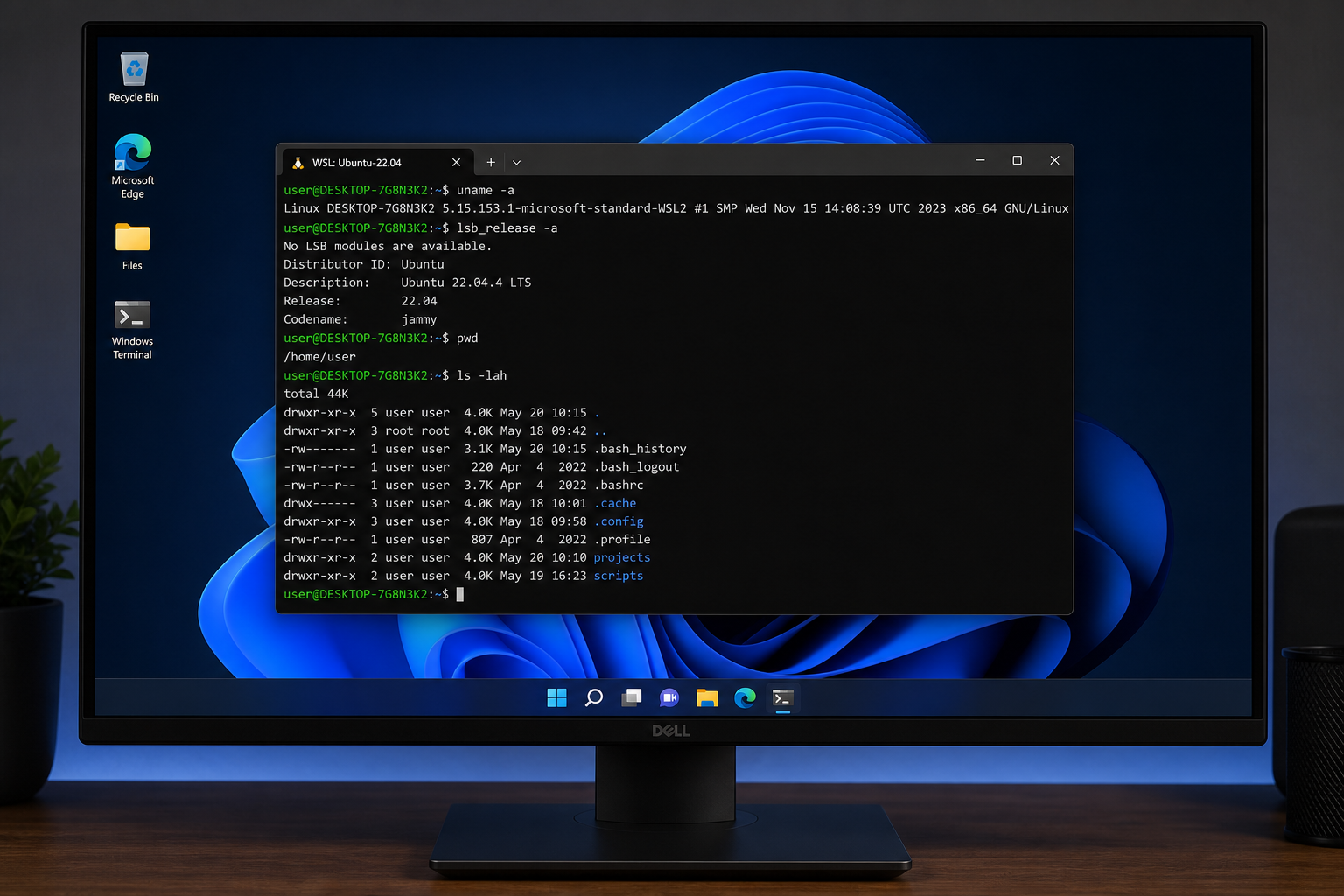
One of Windows 11’s most underrated features for the Linux to Windows 11 crowd is the Windows Subsystem for Linux 2 (WSL2). According to Microsoft’s official WSL documentation, WSL2 runs a genuine Linux kernel inside a lightweight virtual machine, giving you access to bash, apt, git, and the full GNU/Linux command-line environment without dual-booting. During a 30-day test, WSL2 genuinely softens the blow of leaving Linux — developers can keep their shell scripts, dotfiles, and terminal workflows almost entirely intact.
Snap Layouts and Multitasking
Snap Layouts — the grid of window arrangements that appears when you hover over the maximise button — is a productivity feature Linux users will envy. While tiling window managers on Linux do this and more, Windows 11’s implementation is polished, mouse-friendly, and works across all apps without configuration.
Where Windows 11 Falls Short for Linux Users
No honest Windows 11 vs Linux comparison skips the frustrations. After 30 days of exclusive use, the pain points become unavoidable.
Privacy and Telemetry Controls
Linux gives you full control over what your machine communicates to the outside world. Windows 11 collects diagnostic and usage data by default, and while you can reduce it in Settings, you cannot eliminate it entirely on Home and Pro editions. For users who value transparency and auditability, this is a fundamental philosophical gap — not just a settings issue.
Forced Updates and Restarts
Windows Update is reliable, but it is not polite. Forced restarts outside active hours, update processes that slow the machine mid-session, and the occasional feature update that resets settings are persistent complaints. On Linux, you update when you choose — including kernel updates — and reboots are optional for most patches.
The Package Management Gap
Coming from apt, pacman, or dnf, the Windows software ecosystem feels scattered. The Microsoft Store is improving but still inconsistent. Winget (Windows Package Manager) has matured significantly, but it does not yet match the breadth and reliability of Linux repositories. Installing, updating, and uninstalling software on Windows still involves more manual steps for power users.
System Resource Overhead
A fresh Windows 11 install consumes roughly 4GB of RAM at idle and requires a minimum of 64GB of storage. On a comparable Linux distro like Fedora or Ubuntu, idle RAM usage is typically half that. For users on older hardware or those prioritising raw performance, switching from Linux means a measurable sacrifice in system efficiency.
The Dual Boot Middle Ground: Linux to Windows 11 Side by Side” — adds Linux to Windows 11
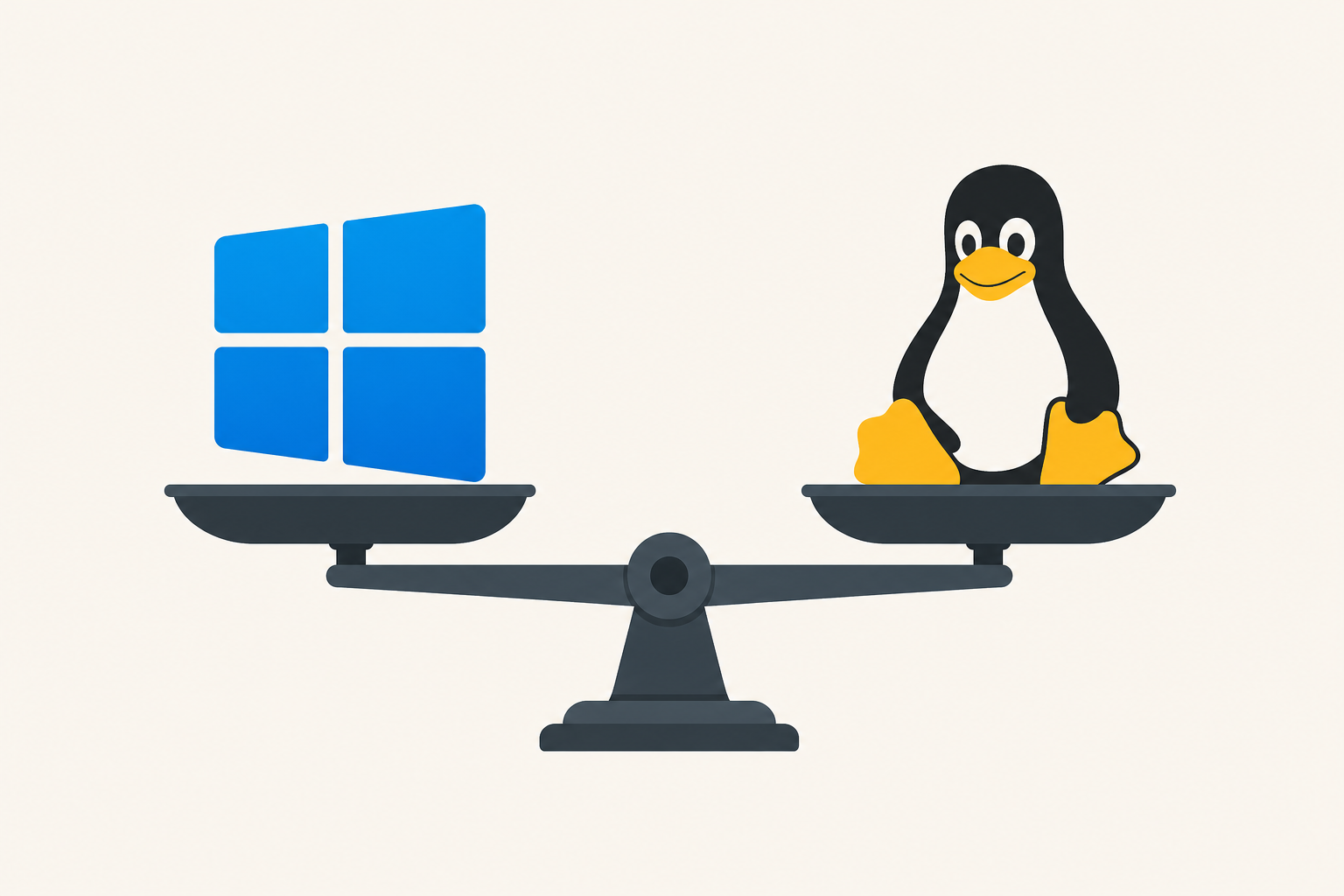
Many users navigating the switch to Windows 11 decision don’t have to choose permanently. A dual-boot setup lets you run Windows 11 for gaming and professional apps while keeping your Linux environment for development, privacy-sensitive tasks, and system administration. The bootloader process has become more reliable on modern UEFI systems, and partition management tools make the setup safer than it was even three years ago. For a detailed walk-through of setting up both systems side by side, see our Windows dual boot setup guide.
Getting Windows 11 Without Overpaying
One reason Linux users resist switching is cost — Windows licences at retail can be expensive. The good news is that genuine Windows 11 licences are available at a fraction of MSRP. At Top Key Shop, you can pick up a Windows 11 Home Retail key for just €14.70, with instant email delivery and free activation support included. If you need the professional feature set — Group Policy, BitLocker, Remote Desktop — the Windows 11 Home + Office 2024 Professional Plus bundle is available from €19.90, making it one of the most cost-effective ways to make the switch with a full productivity suite included from day one.
Every key is genuine, delivers to your inbox within minutes, and comes backed by a 30-day money-back guarantee and 24/7 live support — so there’s no risk in trying Windows 11 properly, rather than through a pirated or evaluation copy that skews the experience.
Should You Switch from Linux to Windows 11?
The honest answer depends entirely on your use case. Here’s a quick decision framework:
-
Switch if: You play anti-cheat-protected games, rely on Adobe or AutoCAD, work in a Microsoft 365 team environment, or need seamless hardware compatibility
-
Stay on Linux if: Your workflow is terminal-heavy, you prioritise privacy and update control, your hardware is older, or your apps are all cross-platform
-
Consider dual boot if: You want the best of both worlds and have the storage to spare
After 30 days of exclusive Windows 11 vs Linux use, the conclusion most long-time Linux users reach isn’t that one OS is superior — it’s that the gap has narrowed considerably. Windows 11’s WSL2, improved package management, and genuine performance improvements make it more tolerable for power users than any previous version. But the privacy trade-offs, forced updates, and resource overhead remain real costs that each user must weigh individually.
FAQ
Can I keep my Linux tools when I switch to Windows 11?
Yes. Windows Subsystem for Linux 2 (WSL2) lets you run a full Linux kernel environment inside Windows 11. You can use bash, install packages via apt or pacman, and run most command-line tools without dual-booting. It’s not a perfect replacement for a native Linux desktop, but for developers and sysadmins it preserves the majority of the workflow.
Is Windows 11 vs Linux a fair comparison for gaming?
For gaming, Windows 11 holds a clear advantage in 2025. Native DirectX 12 support, Kernel-level anti-cheat compatibility, and direct integration with Xbox Game Pass give Windows 11 a lead that Linux’s Proton layer narrows but doesn’t close. Competitive multiplayer titles in particular often block Linux clients entirely.
What are the minimum specs for Windows 11?
Microsoft requires a 1GHz dual-core 64-bit processor, 4GB RAM, 64GB storage, TPM 2.0, and a DirectX 12-compatible GPU. These requirements are more demanding than most lightweight Linux distros, making older hardware users better suited to staying on Linux or considering a supported lightweight distro instead.
How much does a genuine Windows 11 licence cost?
Retail pricing from Microsoft can exceed €100 for Windows 11 Home. At Top Key Shop, genuine Windows 11 Home keys start from €14.70, with bundle options including Office 2024 Professional Plus from €19.90. All keys are authentic, instantly delivered, and backed by a money-back guarantee.
Is switching from Linux to Windows 11 permanent?
Not at all. You can dual-boot both operating systems on the same machine, giving you the flexibility to use Windows for specific tasks and return to Linux for others. If you buy a Windows licence and ultimately prefer Linux, unused and unactivated keys can be refunded within 30 days under Top Key Shop’s buyer protection policy.
